Open Today Sales: 9 AM-8 PMOpen Today Service: 7 AM-6 PM
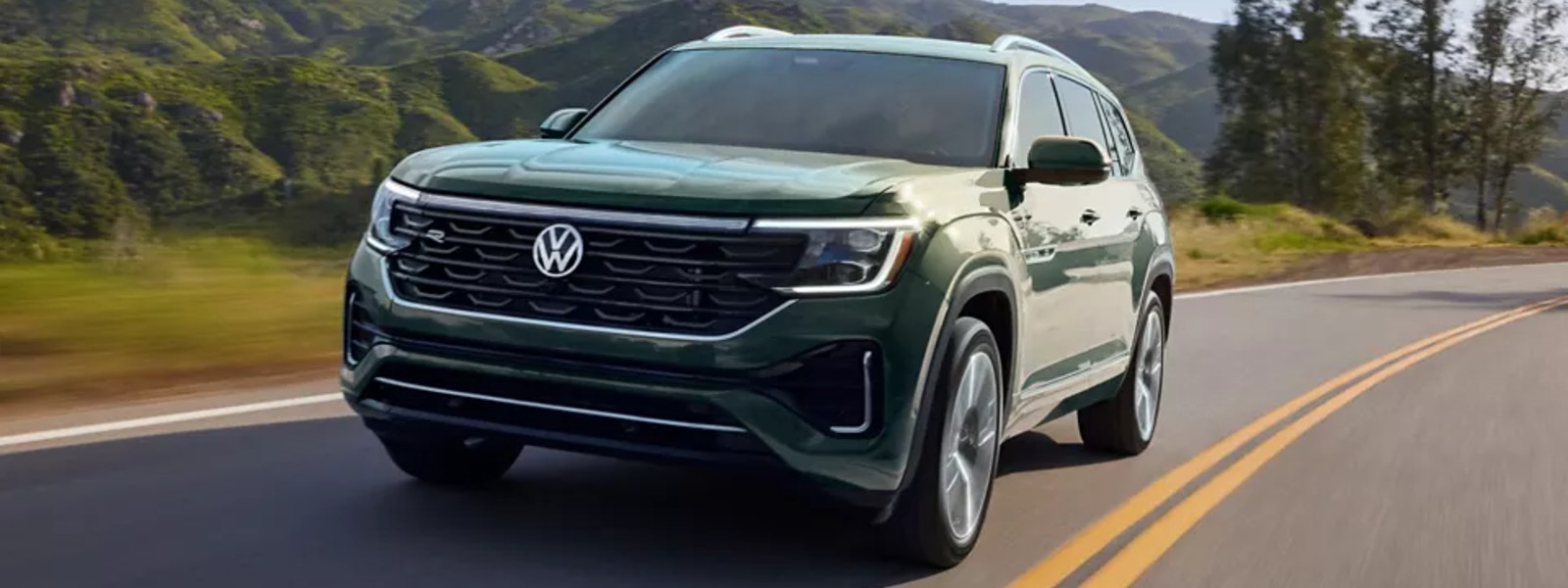
Shopping for an SUV shouldn’t feel like guesswork, but Volkswagen’s lineup has grown enough that everyone needs a reminder from time to time. Between the Taos, Tiguan, ID.4, Atlas Cross Sport, and Atlas, where does a driver even start? At Frank Boucher Volkswagen of Racine, that’s a question our team fields almost daily from Racine shoppers comparing VW SUV models by size, so here’s the rundown, size by size, feature by feature.
Volkswagen’s SUV lineup runs, smallest to largest: Taos, Tiguan, ID.4, Atlas Cross Sport, and Atlas. Each one is built around a different mix of footprint, cargo room, and passenger space, so the right one really comes down to how it needs to be used day-to-day.
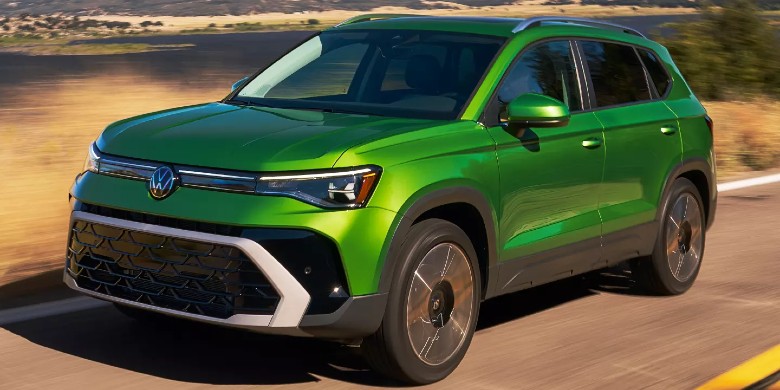
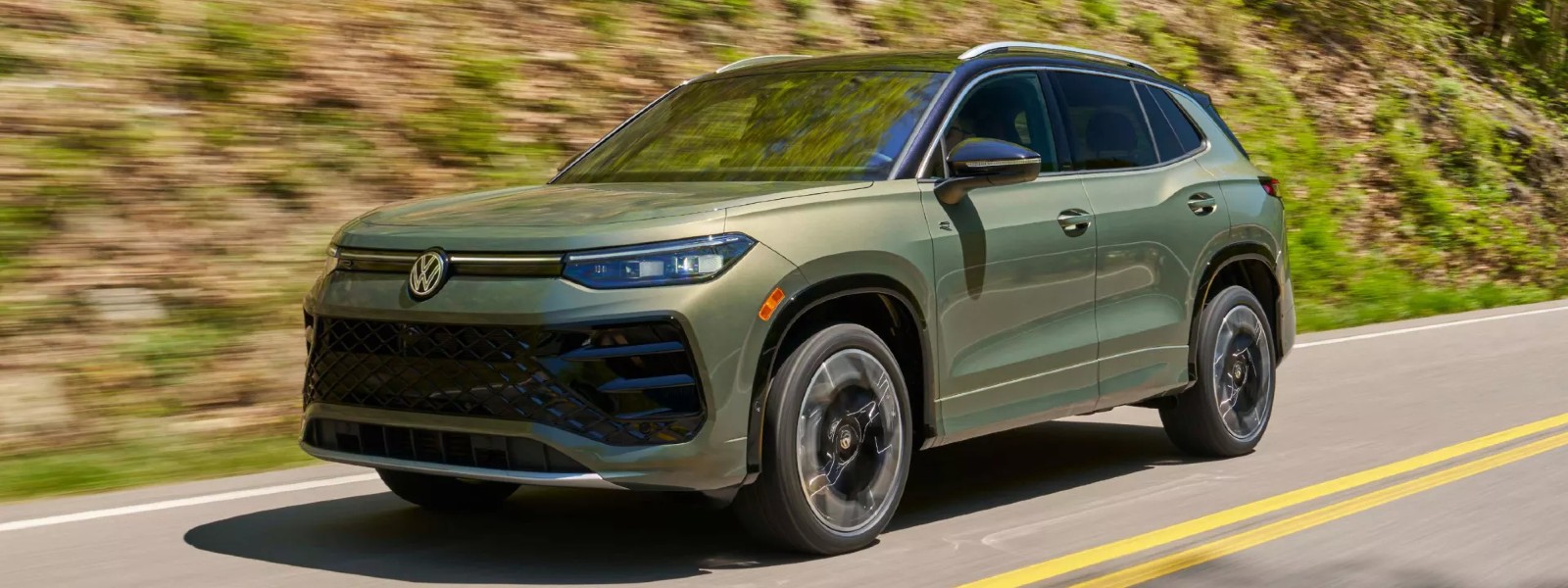
The Taos is Volkswagen’s smallest and most affordable SUV, a genuine Volkswagen small SUV for drivers who want SUV height and visibility without a bulky footprint. Inside, it feels surprisingly grown-up: a heated, leatherette-wrapped steering wheel, an 8-inch floating touchscreen, and available ventilated leather seats. The available panoramic sunroof makes the cabin feel bigger than the exterior suggests. Best for: first-time SUV buyers, commuters, or anyone who wants a smaller vehicle that still feels substantial inside.
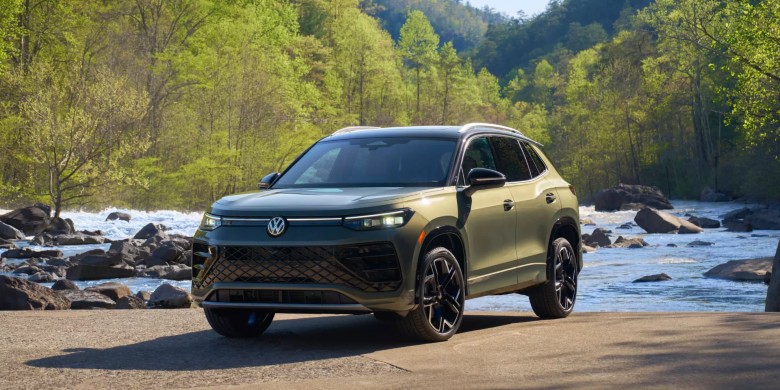
The Tiguan steps up in nearly every dimension. It’s Volkswagen’s benchmark Volkswagen compact SUV, and Cars.com actually named the 2026 Tiguan SEL R-Line Turbo the top pick in its 2026 Compact SUV Challenge, citing comfort, a hushed cabin, and genuinely car-seat-friendly rear seats. Top trims add diamond-stitched leather, massaging front seats, and a 15-inch touchscreen. Best for: young families or anyone who wants one SUV that handles carpool duty and road trips equally well.
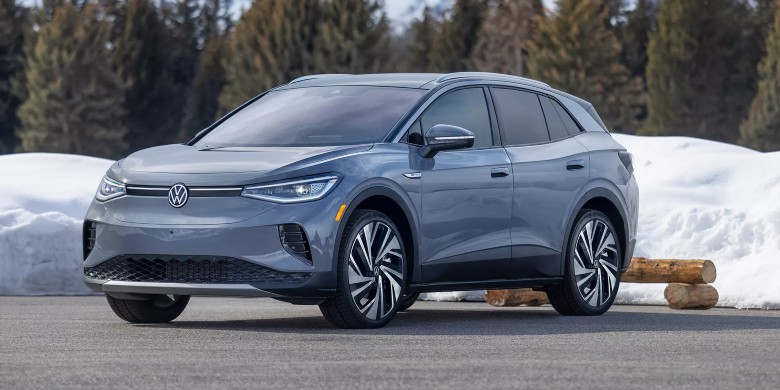
The ID.4 wears Tiguan-adjacent proportions but runs on an electric drivetrain. Inside, it feels closer to a lounge than a typical SUV cabin, with a standard 12.9-inch touchscreen and a clean, uncluttered dash. Best for: drivers who want SUV space and comfort but are ready to leave gas stations behind for good.
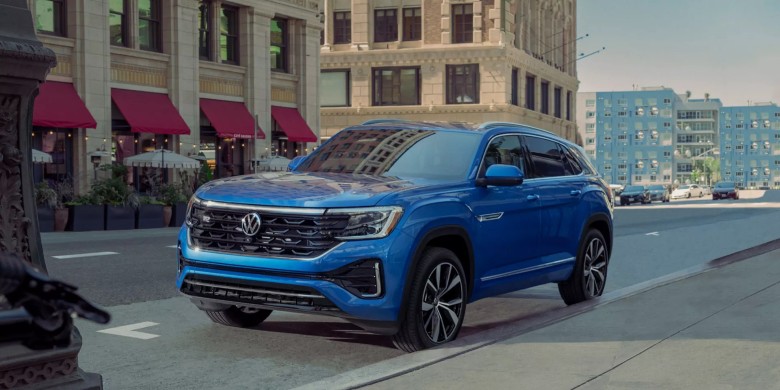
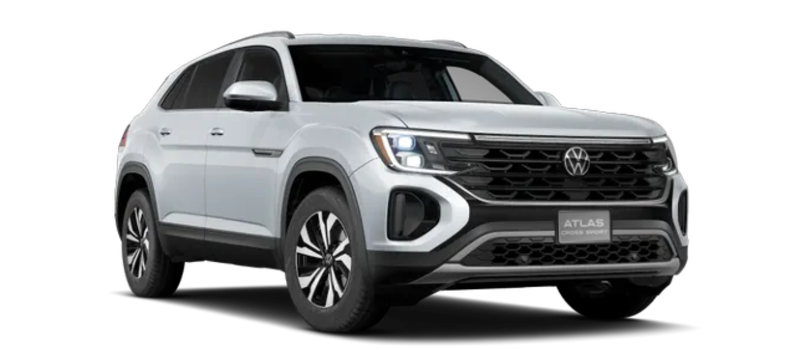
The Atlas Cross Sport drops the Atlas’s third row in favor of a sleeker roofline and a sportier stance. A turbocharged 2.0-liter engine delivers 269 horsepower, and most trims include a standard tow hitch rated for 5,000 pounds. Best for: couples, small families, or anyone who wants Atlas-level power and cargo space in a lower, more athletic-feeling SUV.
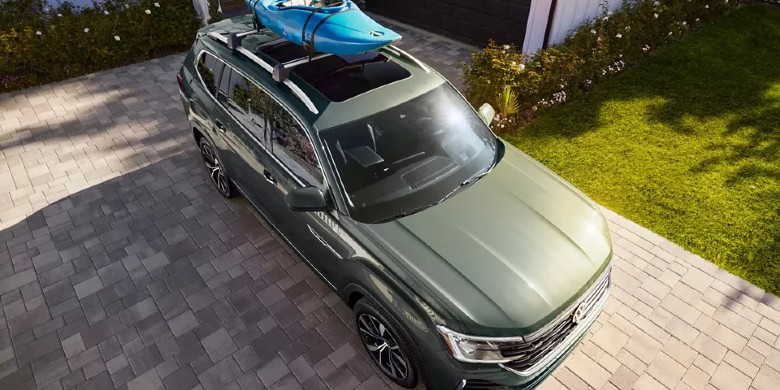
The Atlas tops the lineup and it’s the biggest Volkswagen SUV in the brand’s current stable. Three rows of seating stretch out with 41.7 inches of first-row legroom and 33.7 inches even in the third row, so it’s not just a place to stash extra passengers. The 2026 Atlas also carries an IIHS Top Safety Pick award. Best for: larger families, carpool groups, or anyone who regularly hauls people and gear simultaneously.
The best fit usually comes down to how many seats are needed regularly and whether cargo space matters more than maneuverability. A Volkswagen SUV side-by-side size comparison makes those trade-offs easy to see.
Commuters and first-time SUV owners tend to gravitate toward the Taos because it’s easy to park downtown or around campus without sacrificing cargo space for groceries or gear.
Growing families usually land on the Tiguan or Atlas Cross Sport, both of which balance comfortable seating with real day-to-day cargo capacity. Drivers ready to switch to electric, especially those who can charge at home, find that the ID.4 delivers SUV space without a single stop at a gas station. And for families who regularly carpool, road trip, or need a true third row for kids, grandparents, or teammates, the Atlas is built specifically for that job, with the most passenger and cargo room in the lineup.
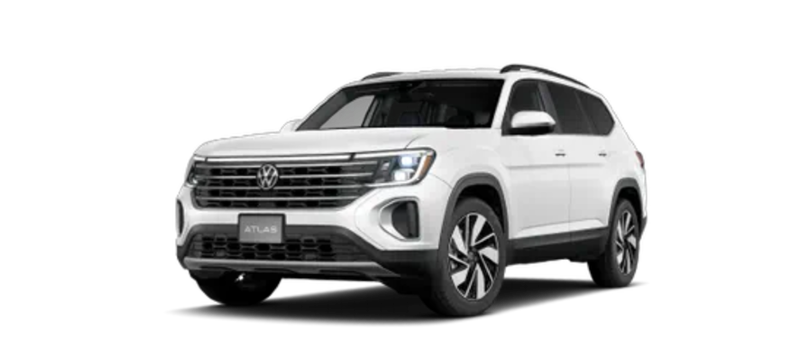
Atlas
Atlas Cross Sport
The biggest difference is the number of rows: the Atlas has three rows and seats up to seven, while the Atlas Cross Sport has two rows and seats five. Both share the same turbocharged 2.0-liter engine, the same 269 horsepower, and the same 5,000-pound towing capacity.
Beyond seating, the two SUVs feel different on the road and in a driveway. The Atlas Cross Sport has a lower, more sloped roofline that gives it a sportier profile. At the same time, the standard Atlas keeps a taller, boxier shape built to maximize interior volume, especially in that third row, where legroom holds up at 33.7 inches even in the very back.
Cargo space reflects the trade-off too: the Atlas Cross Sport offers 77.6 cubic feet with the second row folded, while the Atlas stretches that to 96.6 cubic feet. Families who need occasional third-row seating for kids’ friends, grandparents, or teammates usually choose the Atlas; those who rarely fill more than five seats often prefer the Atlas Cross Sport’s sportier stance.
There’s no single “best” Volkswagen SUV, just the one that fits a particular life. A single driver navigating downtown Racine probably doesn’t need the same SUV as a family of six headed to Lake Michigan every weekend, and Volkswagen built its lineup with exactly that range in mind. Whether the goal is an easy-to-park small SUV, an electric daily driver, or a three-row hauler with room for the whole team, Frank Boucher Volkswagen of Racine can help match the right size to the right driver.
Reading about cargo space and legroom only goes so far, the easiest way to tell which VW SUV fits is to sit in a few. Stop by Frank Boucher Volkswagen of Racine to compare the Taos, Tiguan, ID.4, Atlas Cross Sport, and Atlas side by side, or browse current inventory online before making the trip in.
Ready to compare Volkswagen SUV sizes in person?
The Atlas has the most cargo space in the lineup, with 96.6 cubic feet available when the rear seats are folded down.
Both work well for small families, but the Tiguan offers more cargo room and rear-seat space, while the Taos is easier to park and typically costs less to start.
Yes. The ID.4’s flat floor and Tiguan-like footprint give it comparable passenger space, along with a 12.9-inch touchscreen and an open, lounge-like cabin feel.
The Atlas has three rows and seats up to seven people, while the Atlas Cross Sport has two rows and seats five.
Yes. Frank Boucher Volkswagen of Racine keeps the Taos, Tiguan, ID.4, Atlas Cross Sport, and Atlas in inventory so shoppers can compare sizes back-to-back before deciding.